How to Start a Neighbourhood Watch Group in the Vale: Step-by-Step
You probably know the person two doors down by their car. Maybe not their name. That is normal in most streets, and it is not a sign that anything is wrong — until something is. A van idling at the end of the road, a parcel taken from a doorstep, a call from someone claiming to be from the water board. A neighbourhood watch group is the simplest way to close that gap. It is not a patrol, not a citizens' arrest squad, and not a committee for its own sake. It is neighbours who know each other well enough to swap a useful text.
Here is how to get one going in the Vale without it taking over your life.
What a group actually does
Be clear about the job before you invite anyone to a meeting, because confusion is what kills these schemes. A neighbourhood watch group shares information and reports concerns to the police. It does not stop people, question them, or keep a list of faces it does not like.
- Deterrence. Visible signs, lit front doors and neighbours who notice comings and goings make a street a less appealing target.
- Information. Rogue traders, doorstep distraction attempts, car break-ins, suspicious vehicles — passed on calmly and factually.
- Practical fixes. A dark back lane, a broken gate, an overgrown path that gives cover. Often a quick word with the council or a landlord sorts it.
- Everyday kindness. Knowing who is elderly, who lives alone, who is away. That is the part people value most in a cold snap.
Talk to your local policing team first
Before you print a single notice, find out who covers your street. Your local neighbourhood policing team — the beat officer or PCSO — can be reached through your local station's details, by calling 101, or via the non-emergency contact form on your force's website. Ask three things.
First, is there already a scheme registered on my street or nearby? Plenty of Vale streets have one that has gone quiet, and reviving it is far easier than starting from scratch. Second, does the team want a single named contact, and how would they like alerts passed on? Third, what do they recommend for signs and stickers, and does anything need approving?
Most officers will be pleased to hear from you. They cannot be on every road at once, and a street that reports clearly and sensibly is genuinely useful to them. Just do not expect them to run the group. It is yours.
The first meeting: small, short, specific
Someone's front room, a church hall, the back room of a pub. A weekday evening at half seven works well; so does a Saturday morning with coffee. Invite people with a printed note through the door rather than a social media post alone — thirty doors takes half an hour. Put your own name and number on it. Anonymous invitations get ignored.
Keep the meeting to an hour. A rough agenda:
- Quick introductions — name, house, how long you have lived there.
- Two or three specific recent concerns, not a general grumble.
- Contact details for the local policing team, and how to report things.
- Agree a coordinator and a deputy. If nobody volunteers, ask two people directly.
- How the group will communicate.
- Anything practical that can be fixed this month.
- Date of the next meeting — set it before people leave.
Watch out for two traps. The first is parking. Every street meeting in Britain eventually becomes a parking meeting, and it will eat your hour. Park it politely for later. The second is leaving out the people who are not online. If a third of your street does not use messaging apps, print a short update and put it through their doors. Those neighbours are often the ones at home during the day, which makes them the most useful eyes on the street.
The unglamorous bits that make it last
Decide early how information moves. One channel for alerts, one for chat, or the whole thing becomes noise. If you use a messaging group, agree two rules: nothing gets forwarded unless it has been checked, and nobody is named or accused in writing. If you think you have seen a crime, report it — do not post a description and hope someone else does.
Keep personal details to a minimum. A simple list of names, addresses and phone numbers, shared only with consent and kept by one person, is plenty. Do not build a database of residents or a folder of "suspicious" people. Money is usually unnecessary; if you do collect a few pounds for signs, keep a note of what came in and what went out, and say so at the next meeting.
A good scheme looks nosy from the outside and feels completely ordinary from the inside: a wave, a text, someone who notices the van that should not be there.
Signs, stickers and a bit of visible presence
Signs do two jobs. They tell a passing opportunist that this street is watched, and they tell residents the group exists. Ask your policing team or the national Neighbourhood Watch network about ordering them, so they look consistent rather than homemade. A few window stickers and a laminated notice in the corner shop do more than you would think.
Do not nail signs to lamp posts or council property without permission — highways departments take a dim view, and a sign that gets removed looks worse than none. Ask first, or stick to private walls and gates with the owner's agreement.
Pair signage with ordinary, boring measures: a light on a timer, a locked side gate, a trimmed hedge that no longer gives cover, a shed that actually locks. A sign without any of that is decoration.
Keeping neighbours involved past month three
Enthusiasm fades. Plan for it. A short quarterly meeting and a brief monthly update are enough to hold a group together. Rotate the hosting so it does not fall on one person, and make some of it social — a summer get-together, a street tidy-up, a Christmas card drop. People turn out for a relationship, not for a mailing list.
Mark small wins out loud: the street light that finally got fixed, the scam warning that stopped someone transferring money over the phone. Welcome new movers within a fortnight with a card and the coordinator's number. And accept that quiet months are normal. The group only needs to become busy when something happens, and then it should respond quickly and calmly, with information rather than alarm.
Your first four weeks
Week one: knock on six doors and find out whether anyone has already started something. Week two: contact your local policing team and ask your three questions. Week three: print thirty invitations and name a date, time and place. Week four: hold the meeting, agree a coordinator, and set the next date before anyone leaves.
If something is happening right now, call 999. For anything else, use 101 or your force's online reporting form. And if you ever find yourself unsure whether a scheme is worth the bother, remember what it actually amounts to: a street where people recognise each other, and where a strange van gets noticed by four people instead of none.
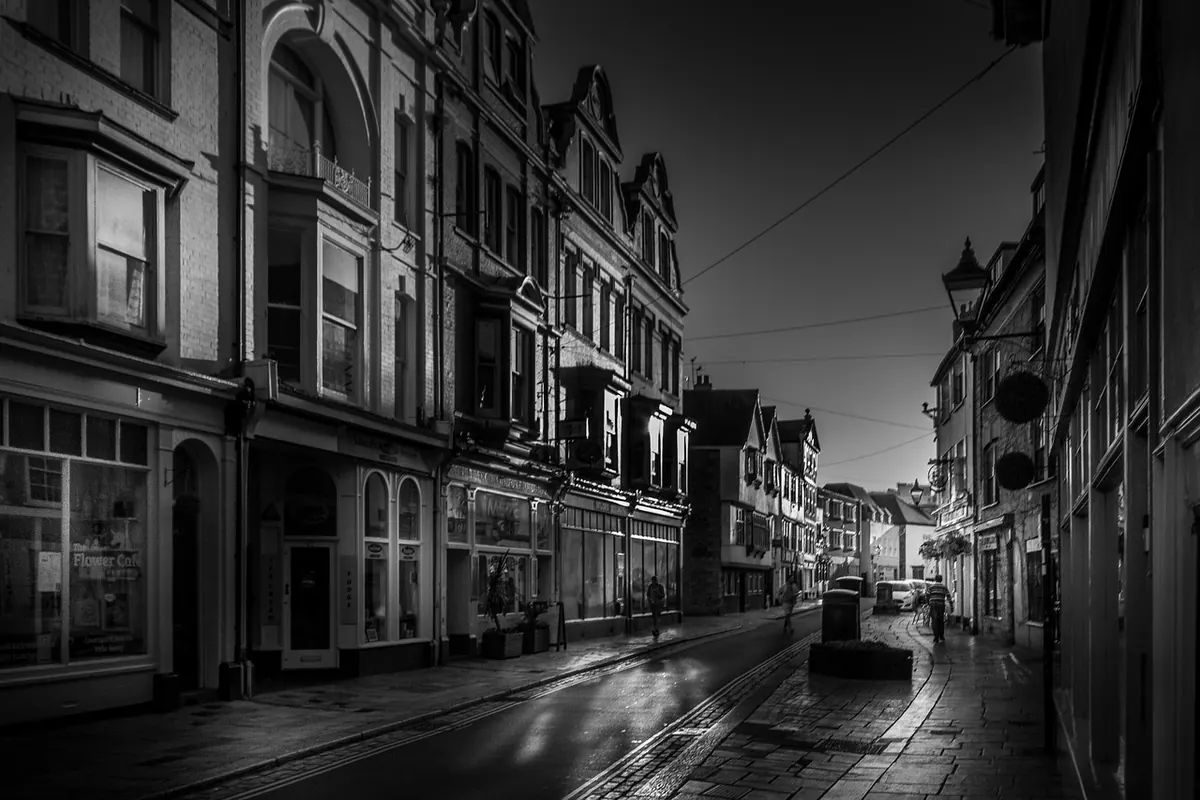
Photo: King Shooter / Pexels