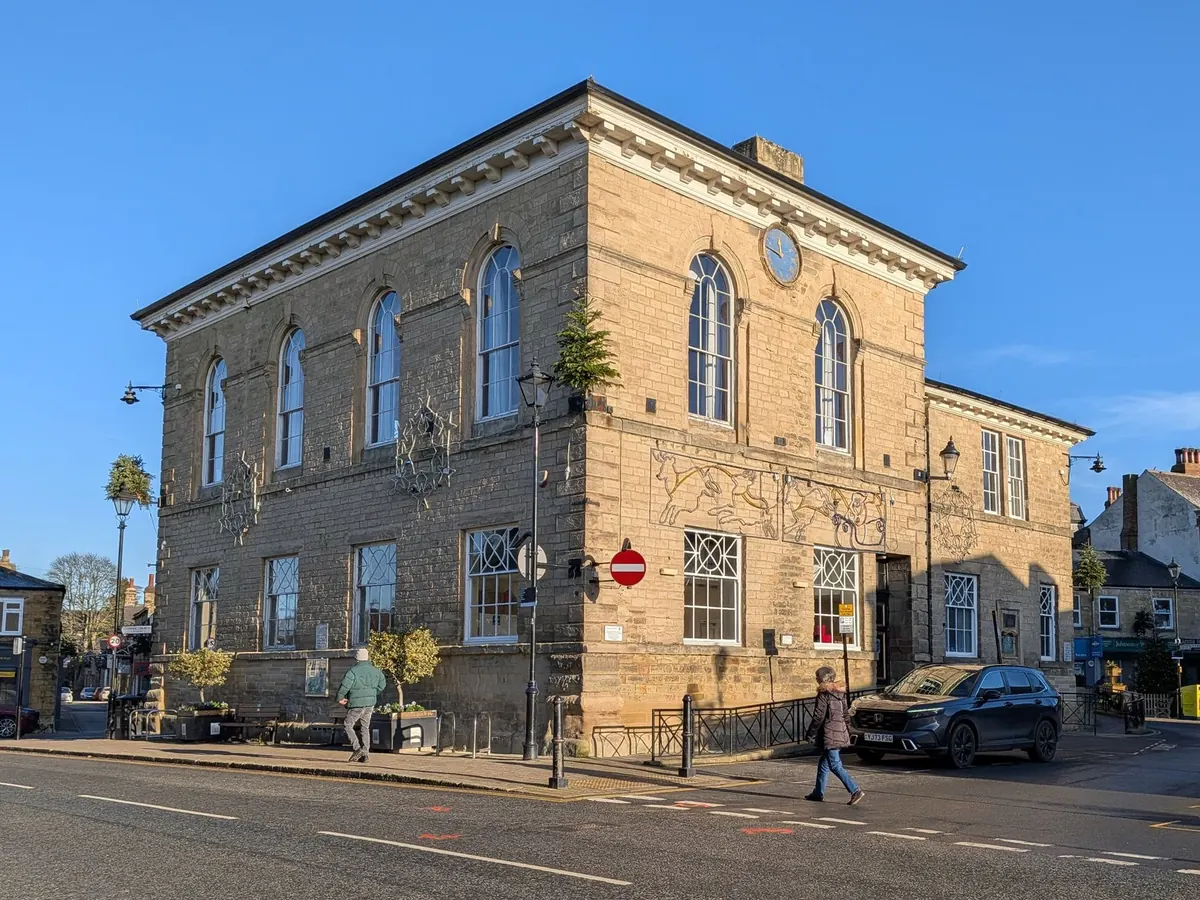
Vale Summer Fete Calendar: Family-Friendly Events to Book Now
By mid-June, the Vale's weekends belong to the fete. Bunting goes up between the church gate and the lychgate, a trestle table appears on the recreation ground, and someone is already wrestling with a generator. If you have ever turned up a week late, or discovered the car park was a freshly mown field with one exit, this guide is for you: what happens when across the summer, what it costs, and how to plan a day out the whole family actually enjoys.
The shape of the summer: what lands when
Dates are confirmed parish by parish and school by school, and most organisers settle them between March and May. That means the most reliable sources are the ones closest to the event: the parish magazine, the school newsletter, the village hall noticeboard, the church pewsheet, and the community Facebook group that also posts about missing cats. Treat any listing without a time as provisional and check again the day before.
Broadly, the season runs like this:
- Late May and early June — school summer fairs, often a Friday evening or a Saturday afternoon, plus the first open gardens.
- Mid-June to mid-July — the busiest stretch: village fetes, church fairs, plant sales and classic car meets on the green.
- July — carnivals with processions, horticultural shows with marquees, and cake classes you can enter.
- Late July and August — harbour and beach events, family fun days, agricultural shows and holiday activities.
- Early September — harvest fairs, produce shows and pre-school fundraisers, usually the last of the outdoor season.
Village and church fetes
These are the heart of it. Expect a modest entrance — free with a donation bucket at the gate, or a small charge for adults with children going free — and a layout you can walk in ten minutes. The real business happens at the stalls: plants, second-hand books, bric-a-brac, jam, a tombola, a raffle with prizes donated by local businesses, and a tea tent doing a brisk trade in scones.
How to make the most of one
Arrive in the first hour if you are after bedding plants, children's books or anything decent on the bric-a-brac table. By two o'clock the good stuff has gone and the queue for tea is at its worst. Bring small change, even if the gate takes a card reader — tombolas and cake stalls are usually cash only. And if there is a dog show, enter it. It is nearly always the cheapest entertainment of the summer.
School summer fairs
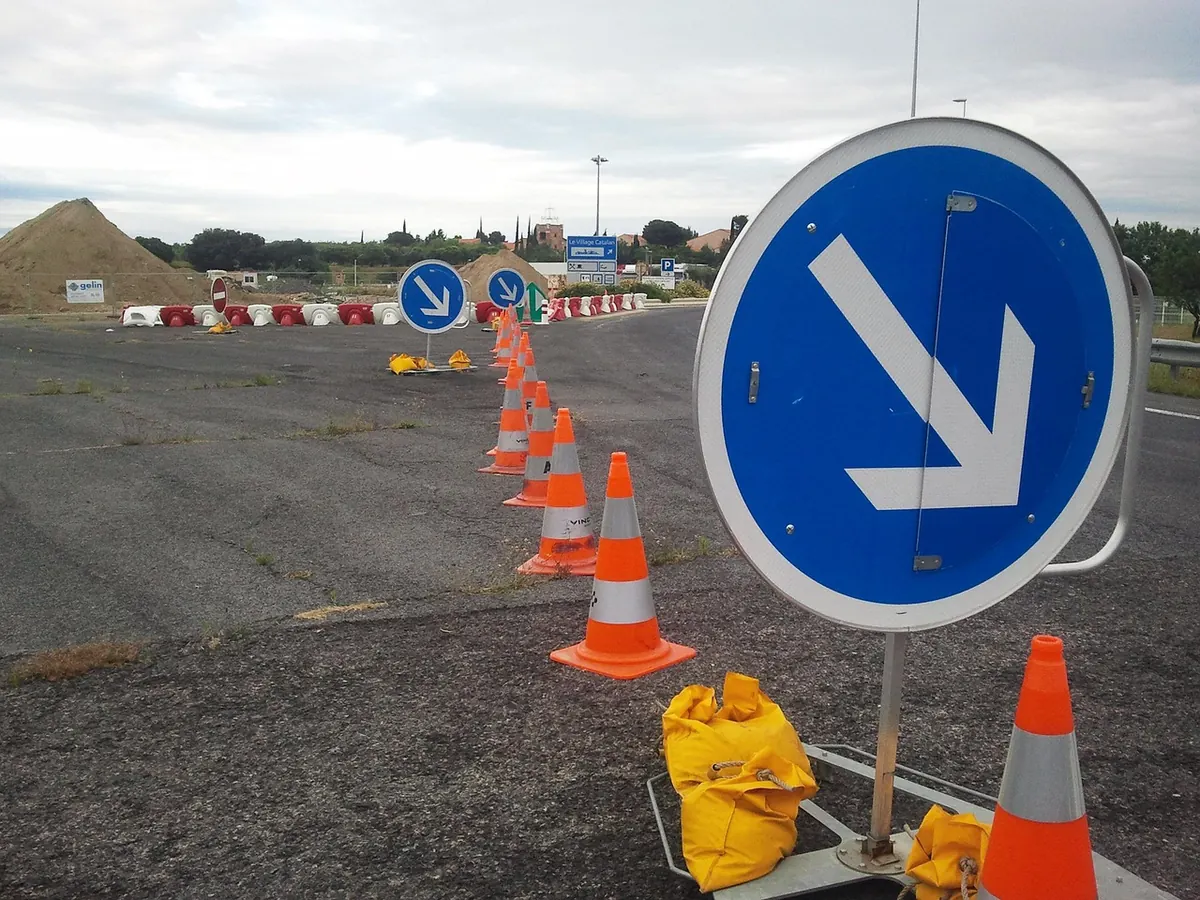
School fairs are louder, shorter and considerably more chaotic. They typically run for two or three hours straight after the school day or on a Saturday morning, and the car park fills within fifteen minutes of opening. If you live within walking distance, walk. If you must drive, arrive at the start rather than twenty minutes in, and be prepared to park on the road and obey the cones — residents have been known to notice.
Some schools now sell wristbands for inflatables and pre-book slots for the barbecue; others still run entirely on tokens bought at a table near the gate. Check the school's message the day before so you know which. Take a refillable water bottle, and a bag for the inevitable raffle win.
Carnivals, shows and bigger days out
Carnival processions and agricultural shows draw crowds from across the area, and a few now sell advance tickets. Where booking ahead is offered, take it: entry is usually cheaper and you avoid the slowest queue of the day. Travel by bus or train if there is a service — town-centre parking on carnival day is a test of character. Bring folding chairs, a rug, hats, sun cream and waterproofs in the same bag, because a British summer will ask for all of them.
Access, parking and comfort
Most fetes are held on grass, which is lovely in a dry July and hard work after a wet week. A few practical points before you go:
- Surfaces. Recreation grounds and show fields are often uneven, with cables taped across walkways. Wheelchair and pushchair access varies hugely, so ask the organiser which gate has the shortest, firmest route in.
- Parking. Field parking can be muddy after rain and rarely has marked bays. Blue badge holders should ask in advance whether there is a drop-off point near the entrance.
- Toilets. Village halls usually have an accessible loo; temporary sites may have portable units only. Worth checking if you are travelling with someone who needs step-free access.
- Noise and quiet. Bouncy castles, generators and PA systems add up. If you have a child or adult who finds crowds difficult, go early and pick a spot well away from the sound tent.
- Heat and health. Long afternoons outdoors in the sun are tiring for everyone. Take water, use the shade, and if anyone in your group has a condition that heat or standing affects, speak to a pharmacist or GP beforehand about what to plan for.
Your planning checklist
- Check the date, start and finish times on the organiser's own page or notice, not a shared post from last year.
- Look at the forecast the night before and dress for mud as well as sunshine.
- Take cash in small notes and coins, plus a card as backup.
- Pack water, hats, and a rug or folding chairs.
- Decide the parking plan before you leave, including a fallback street or car park.
- Check whether dogs are welcome — many fetes allow them on leads, but food tents and show rings often do not.
Before you set out
Times shift, fields flood and the occasional fete is postponed at short notice. A quick look at the organiser's page on the morning of the event saves a wasted journey. Go early, spend a little at the stalls — that money goes back into the village hall roof, the playgroup or the cricket club — and say hello to the people running the tombola. They are the reason the summer calendar exists at all.
Photo: stef54 / Pixabay